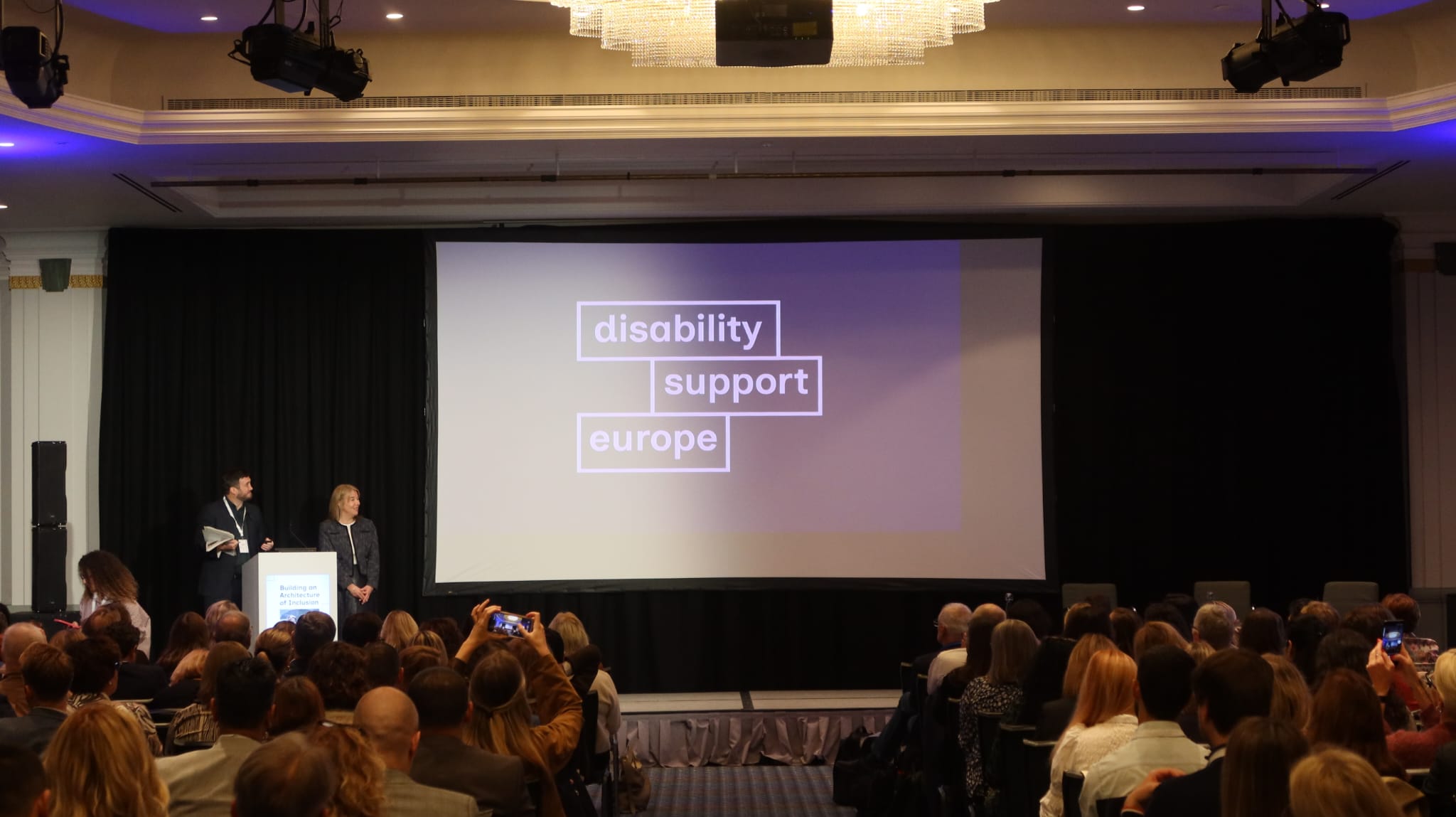
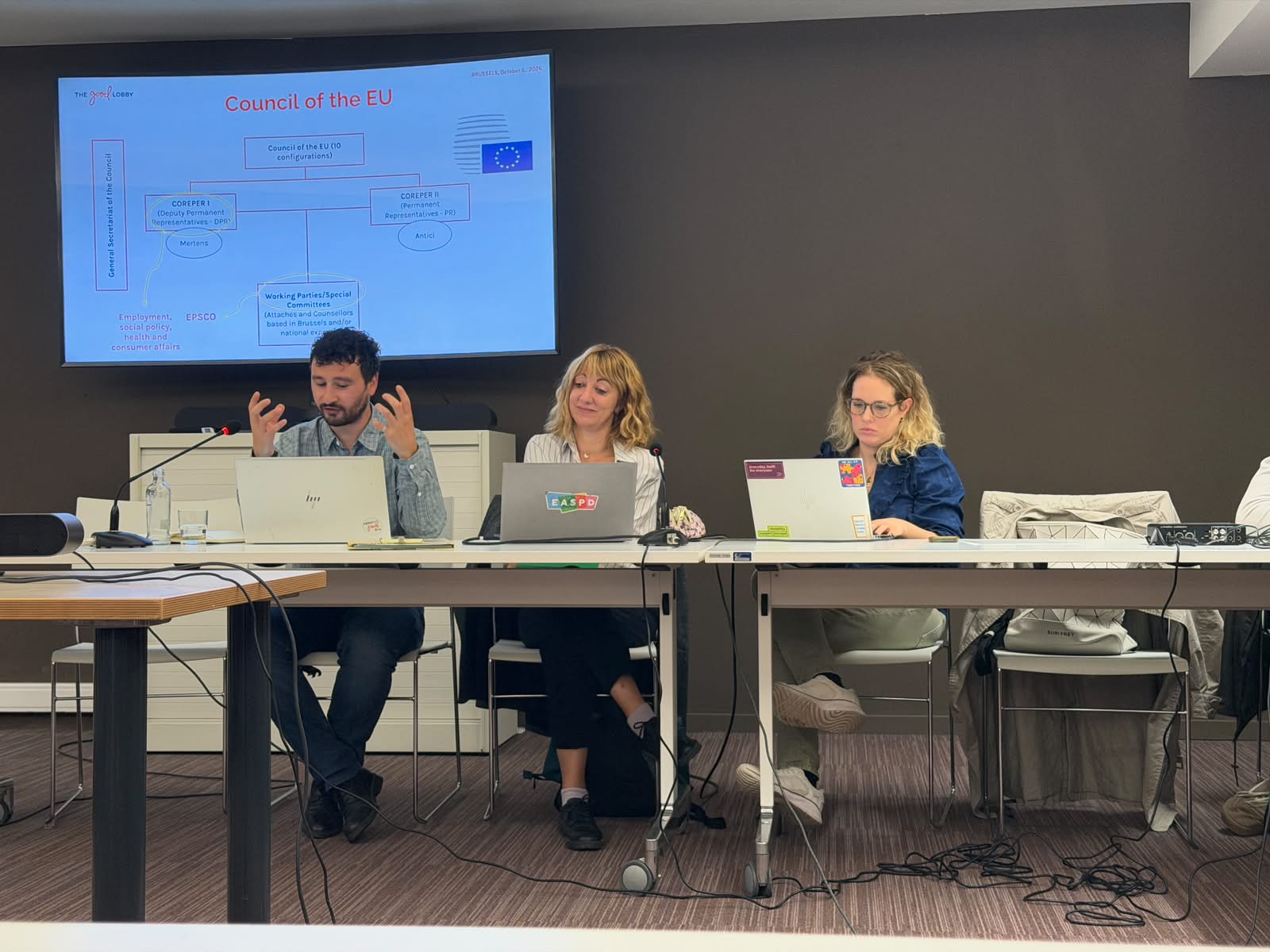
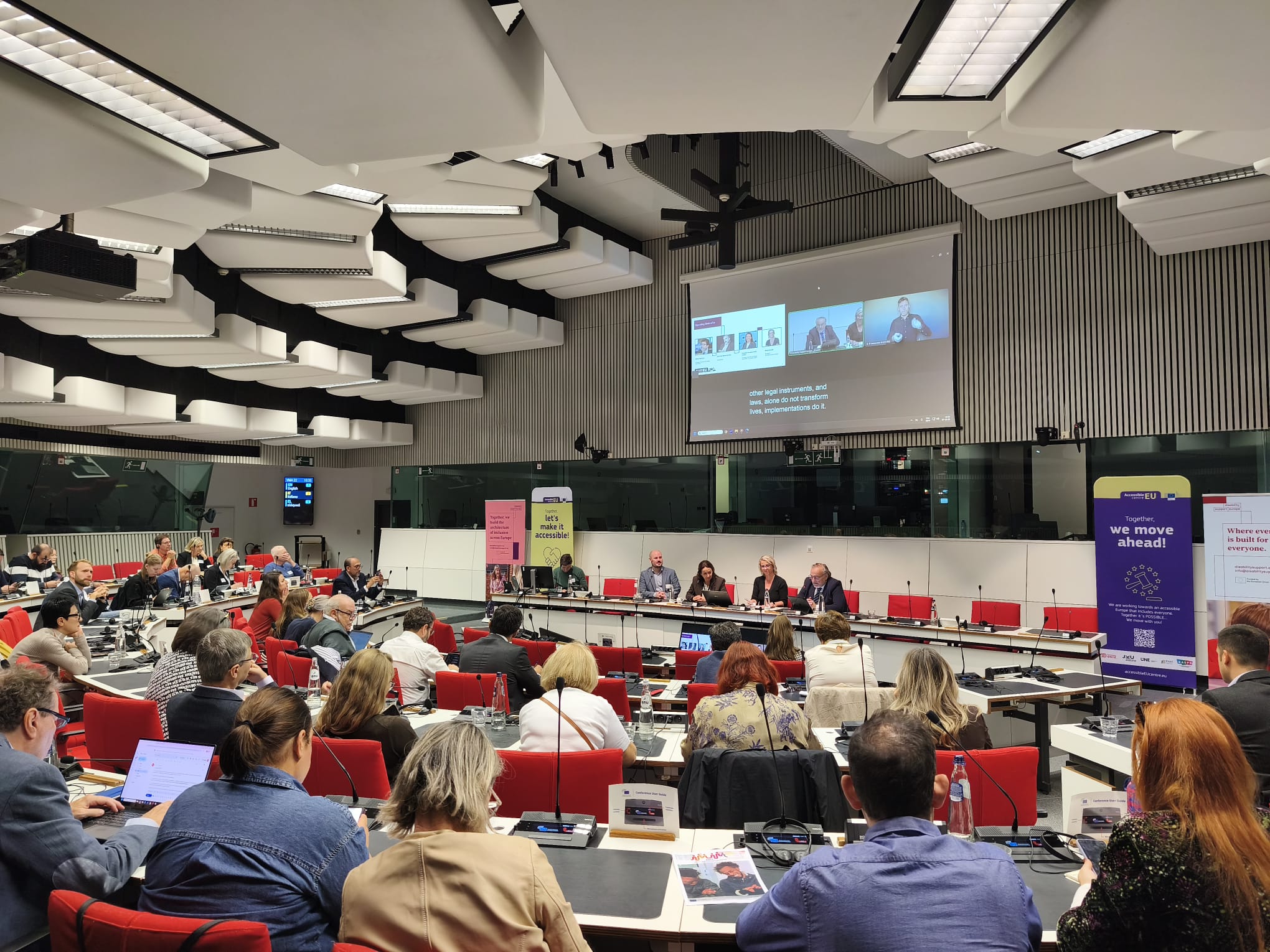
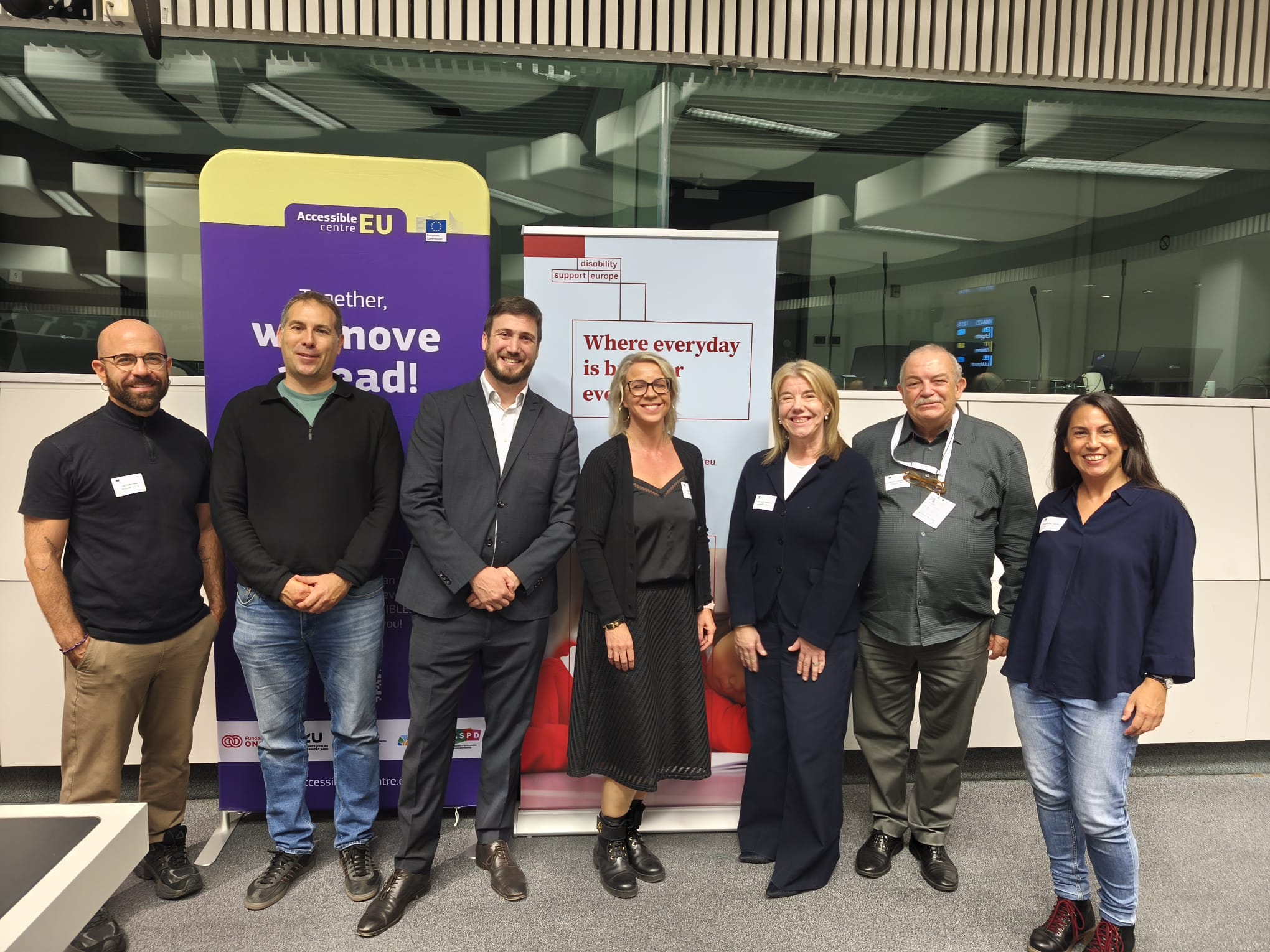
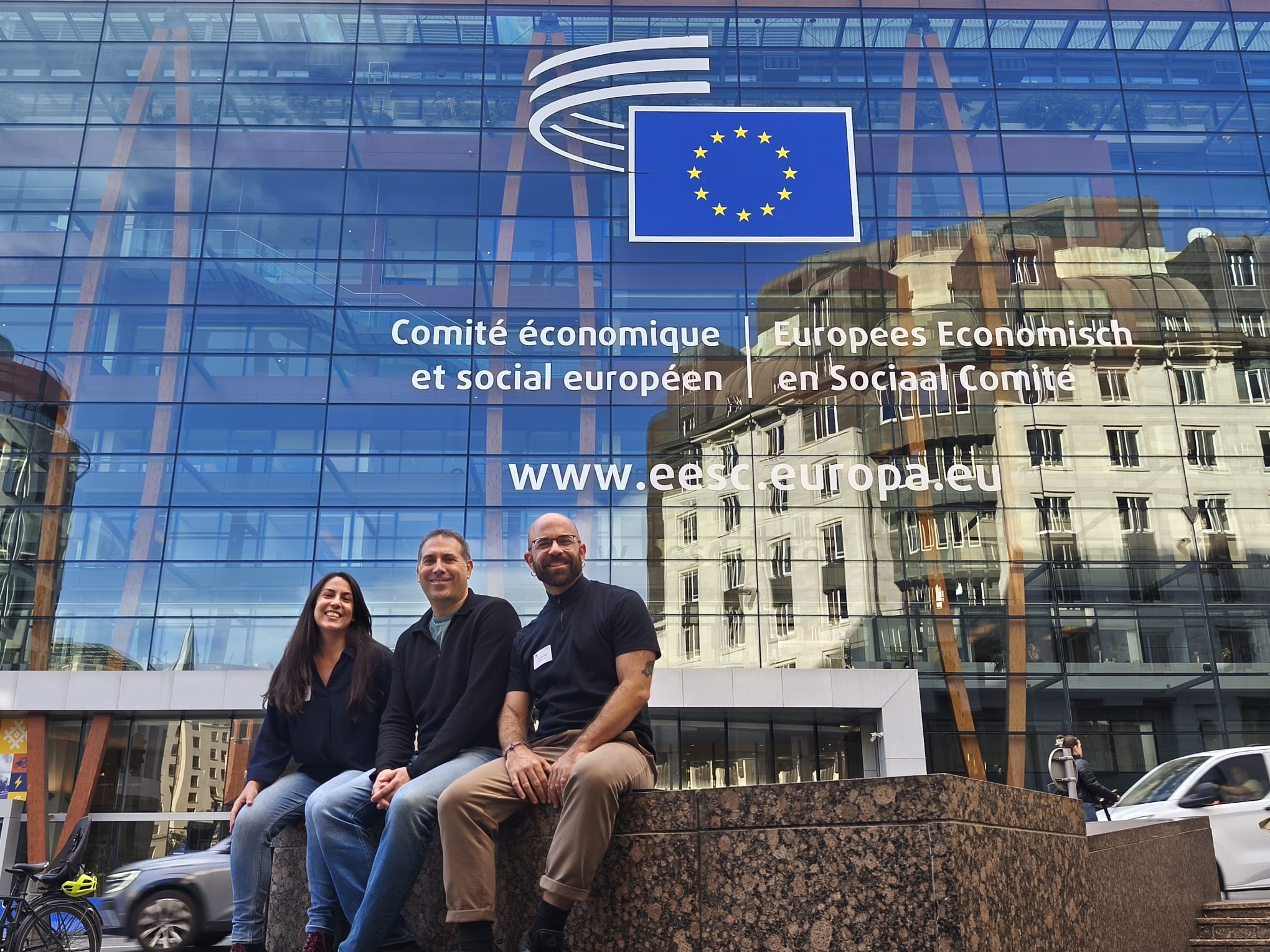
What does a person with a disability need to be able to study, work, live where they choose, take part in cultural activities or get around their city like anyone else? This question was at the heart of Building an Architecture of Inclusion, the conference held in Brussels from 5 to 7 October to mark the 30th anniversary of Disability Support Europe attended by a delegation from Som – Fundació.
The European federation, which brings together more than 40,000 services across Europe, used its anniversary to renew its brand and embark on a new chapter. EASPD is now Disability Support Europe.
What does it mean to build an “architecture of inclusion”?
The metaphor behind the conference has a very concrete meaning. Recognising rights is not enough if the environment prevents people from exercising them.
Take employment, for example. It is not enough for a person to have the legal right to work. They need opportunities to identify and develop their skills, accessible recruitment processes, a workplace adapted to their needs and the right support to carry out their job.
The same applies to education, housing and community participation. That is why the conference highlighted the need to build inclusion into policies, systems and standards, so that people with disabilities have the same choices and opportunities to take part in everyday life.
Support does not mean deciding where someone should live
Another key issue was how support services need to evolve. Support should not require a person to fit into a particular service or setting. The question should be asked the other way around: what kind of life does this person want, and what support do they need to make it possible?
This means moving towards more flexible services that are connected to the community: being able to live, work, learn, enjoy culture and build relationships without being separated from the rest of society.
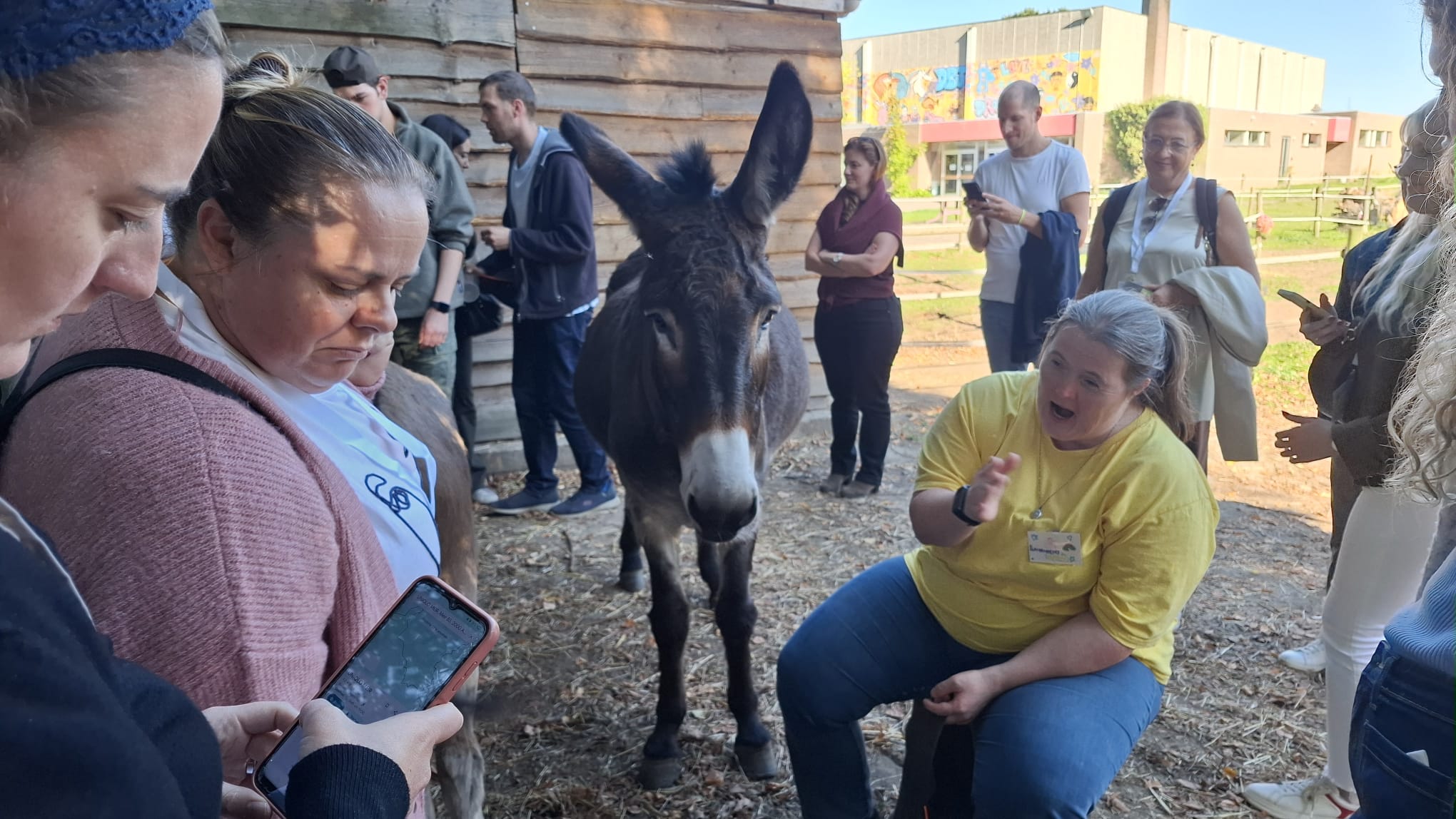
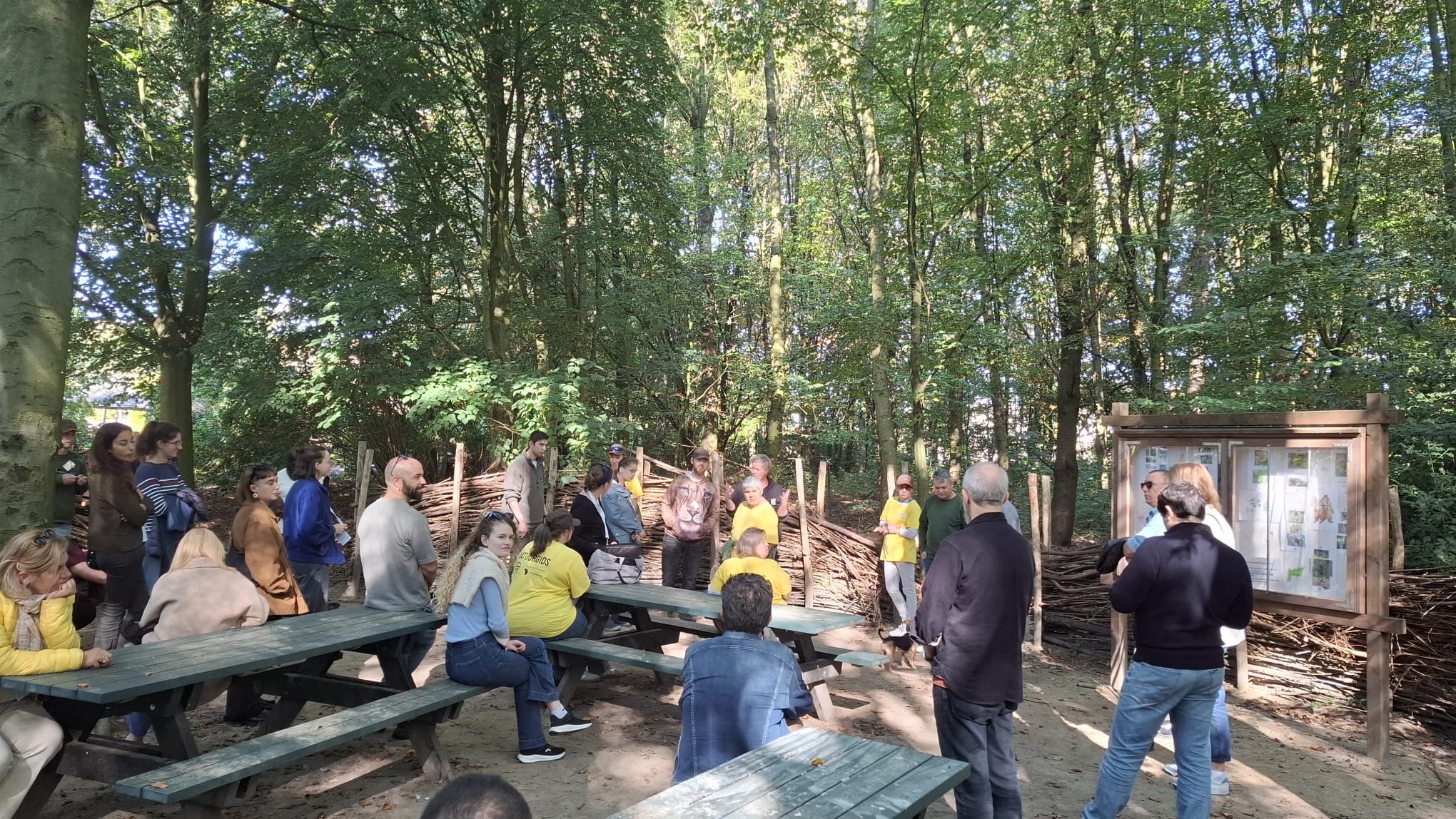
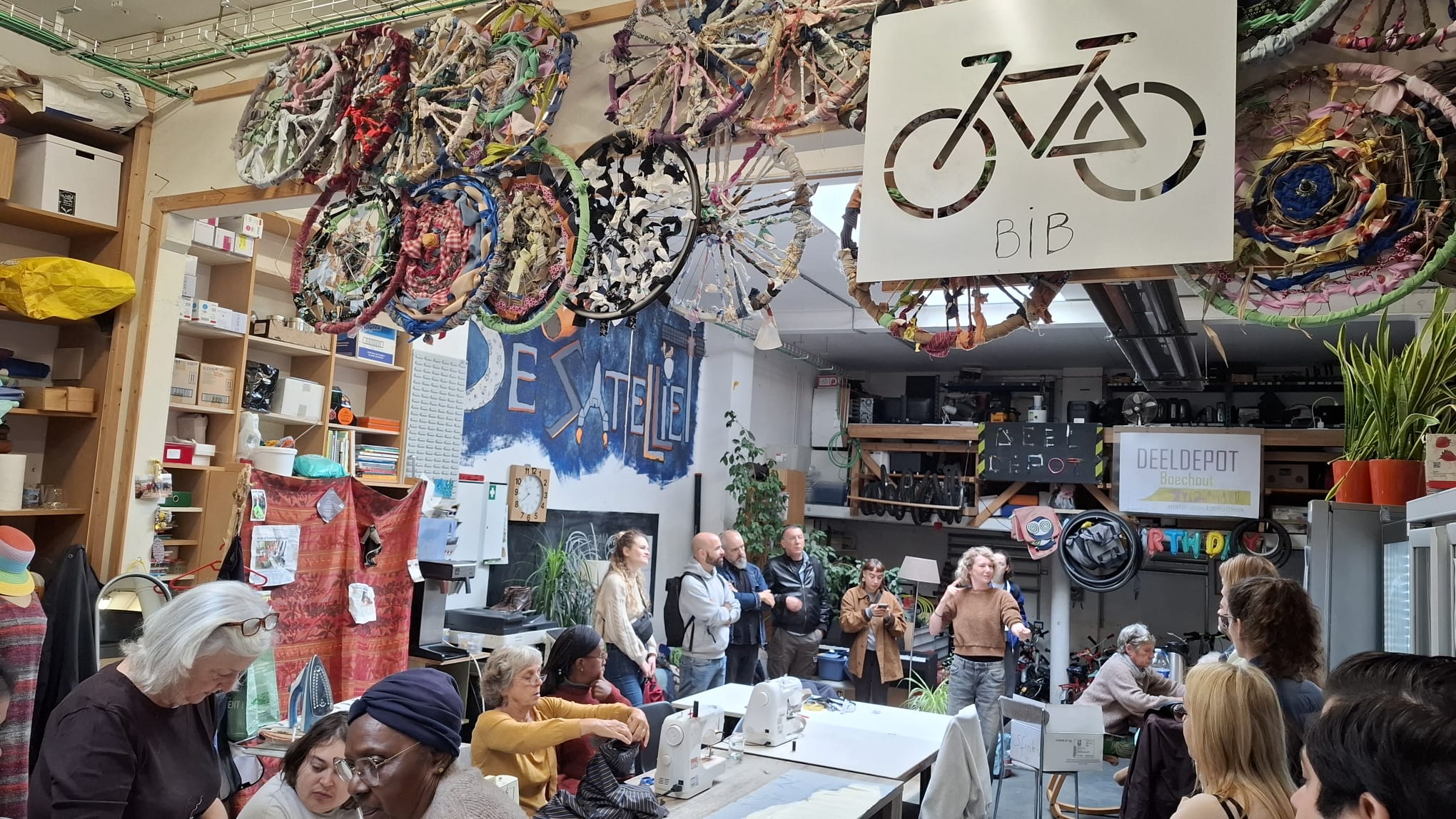
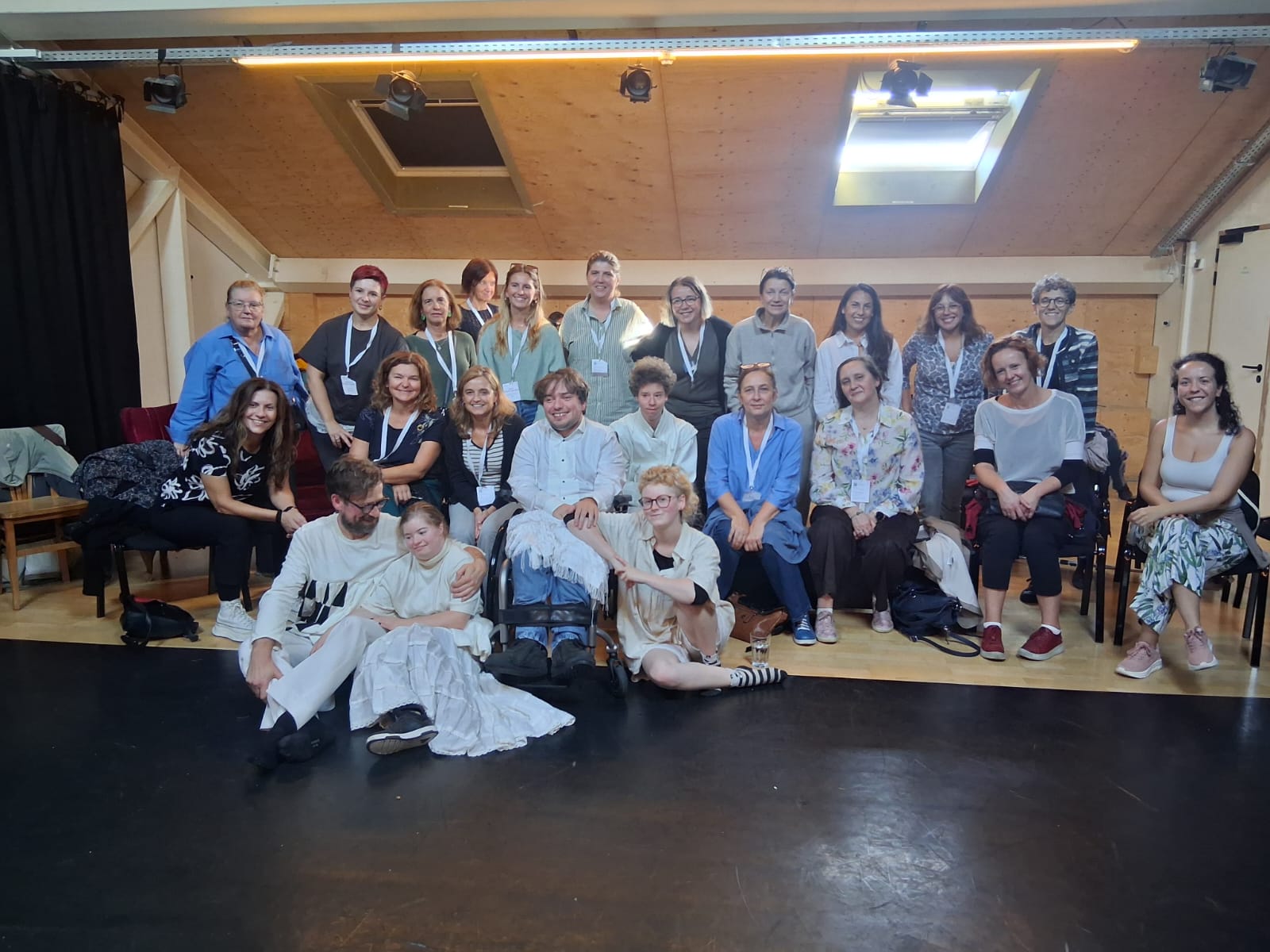
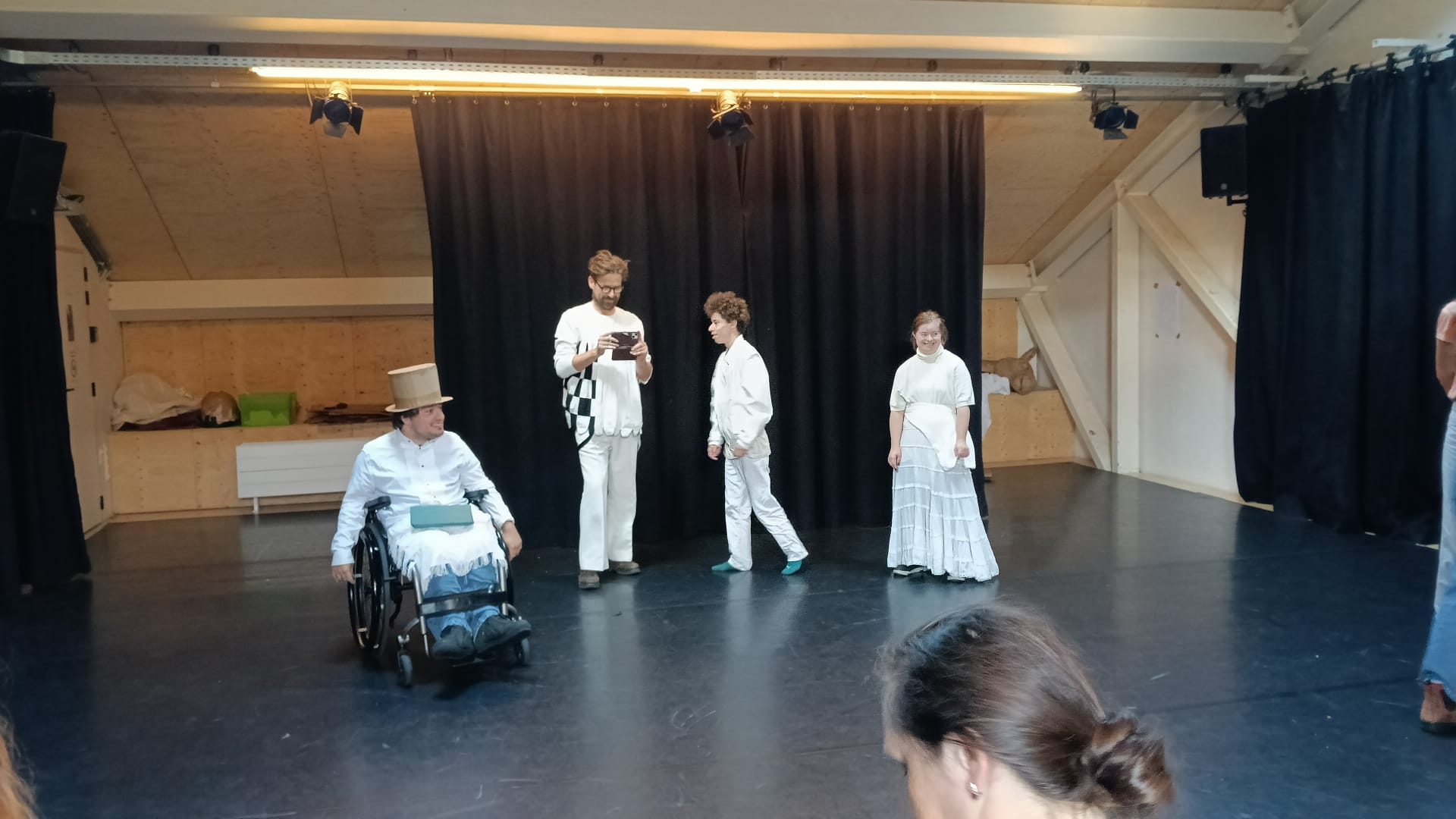
The study visits in Belgium provided practical examples of this approach. In Antwerp, we saw initiatives where people with intellectual disabilities take part in nature-related activities and play an active role in their communities. In Ghent, we visited projects using dance and theatre to create opportunities for artistic and professional development.
It is therefore not simply about taking part in an activity, but about being able to take on socially valued roles: as a professional, artist, guide or active member of the community.
A ramp is not enough: support matters too
The final day explored a particularly important distinction: accessibility and support are not the same thing, but they need to work together to ensure participation. The 7 October session, held in connection with AccessibleEU, focused precisely on how accessibility and human support can be brought together to enable people to participate fully.
A building may be physically accessible and yet a person may still need information that is easy to understand. A digital process may meet technical accessibility standards and still be too complex. And a person may need support to understand their options, make a decision or express their preferences.
Ultimately, this is what Building an Architecture of Inclusion is about: moving away from the idea that people should adapt to what already exists and towards designing environments, services and policies that enable everyone to participate.
For Som – Fundació, this approach connects directly with supported decision-making: not making decisions on behalf of a person, but providing the support they need to make their own decisions and develop their own life project.