There are days when laws do more than amend legal provisions. There are days when they change the way we understand people.
22 July 2026 was one of those days.
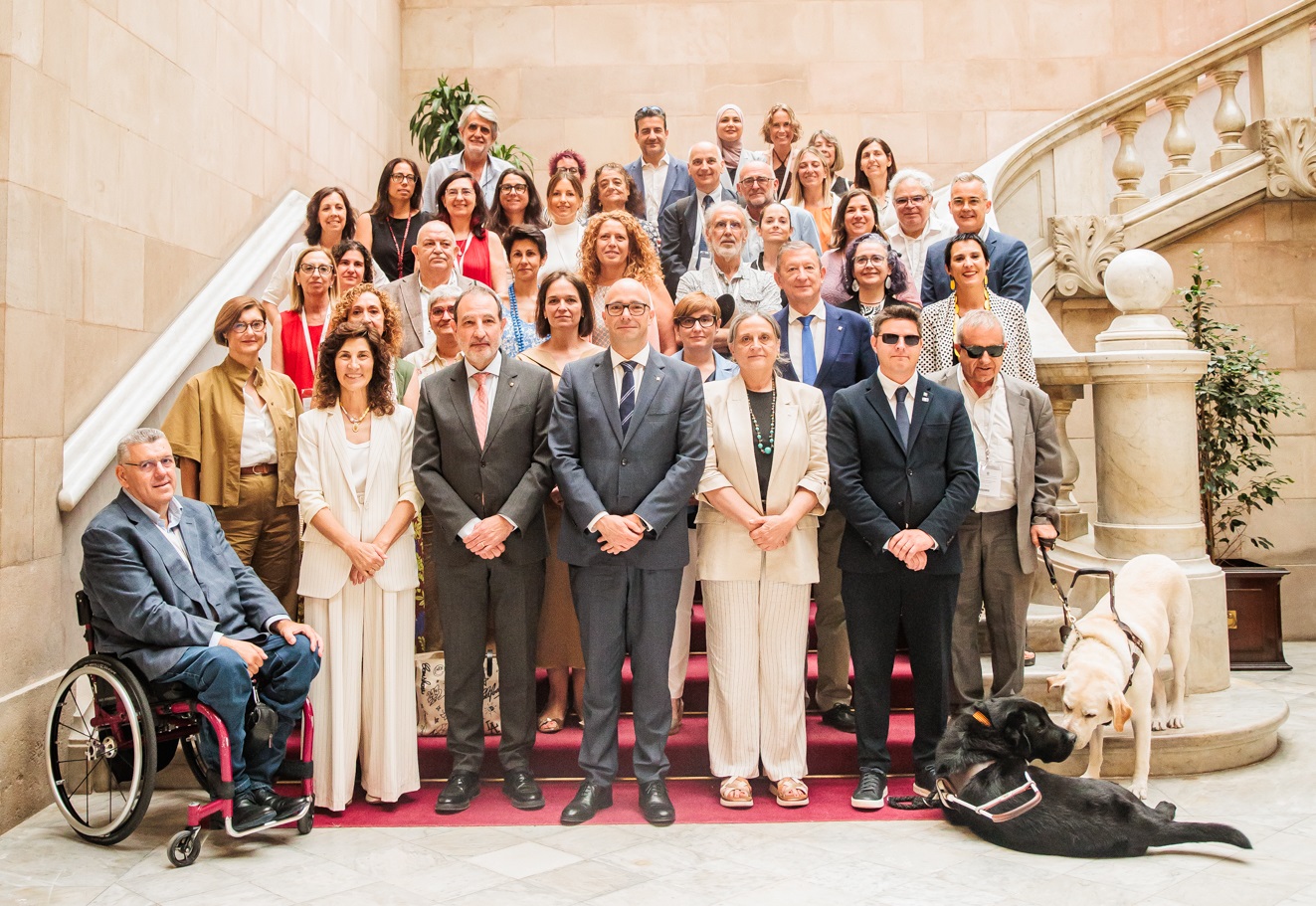
The Parliament of Catalonia approved the reform of the Catalan Civil Code regarding support for the exercise of legal capacity. The new law received broad parliamentary support—124 votes in favour and 11 abstentions—and aligns Catalan legislation with the United Nations Convention on the Rights of Persons with Disabilities.
Beyond its legal implications, this reform represents the consolidation of a model based on respect for people’s will, preferences and rights.
During the parliamentary debate, both the Minister of Justice and Democratic Quality, Ramon Espadaler, and the Minister of Social Rights and Inclusion, Raúl Moreno, described the reform as a genuine “paradigm shift”. It is difficult to find a more accurate description.
From deciding for to deciding with
For decades, our legal system was based on an idea that seemed unquestionable: when a person was unable to make certain decisions, someone else had to make them on their behalf.
The reform approved by Parliament is based on a completely different principle.
Everyone has the right to exercise their legal capacity on an equal basis with others. When a person needs support, what they should receive is the assistance necessary to make their own decisions—not someone else making decisions for them.
It may seem like a subtle distinction, but it represents a profound shift in the way we understand disability, autonomy and human rights.
What does the new law provide?
The reform establishes a flexible system of support tailored to each person’s individual needs.
There is no single solution.
The law provides for different forms of support, ranging from natural support within family and community settings to advance planning measures that individuals can put in place for the future, as well as formally established support through a notarial deed or a court decision.
It also introduces a key safeguard: legal mechanisms designed to ensure that support is always provided in accordance with the law and in line with the person’s own will, preferences and rights, while preventing abuse or conflicts of interest.
What does this mean for people?
This reform has done more than change legal procedures.
It has changed the question itself.
The issue is no longer:
Who will make decisions for this person?
Instead, it becomes:
What support does this person need to make their own decisions?
This approach is far more respectful of human dignity and fully reflects the principles established by the United Nations Convention.
What comes next?
The adoption of the law is a historic milestone.
But it also marks the beginning of a new stage.
The challenge now is to implement it effectively.
Judges, prosecutors, notaries, lawyers and professionals working in the social and healthcare sectors will all need to incorporate this new perspective into their daily practice.
It will also be essential to continue promoting accessible court decisions, Easy-to-Read documents whenever needed, and tools that enable people to understand information before making decisions.
Because laws can change the legal framework, but rights only become real when practices change as well.
Som – Fundació’s commitment
At Som – Fundació, we welcome this reform because it reinforces a model we have been working towards for many years.
Every day, we support people with disabilities so they can exercise their rights, make their own decisions and build their life projects with the support they need.
The law has set the direction.
Now it is up to all of us to ensure that this legislative change results in greater autonomy, greater participation and stronger rights for everyone.
Photo credits: Parlament de Catalunya – Sergi Ramos Lavedesa