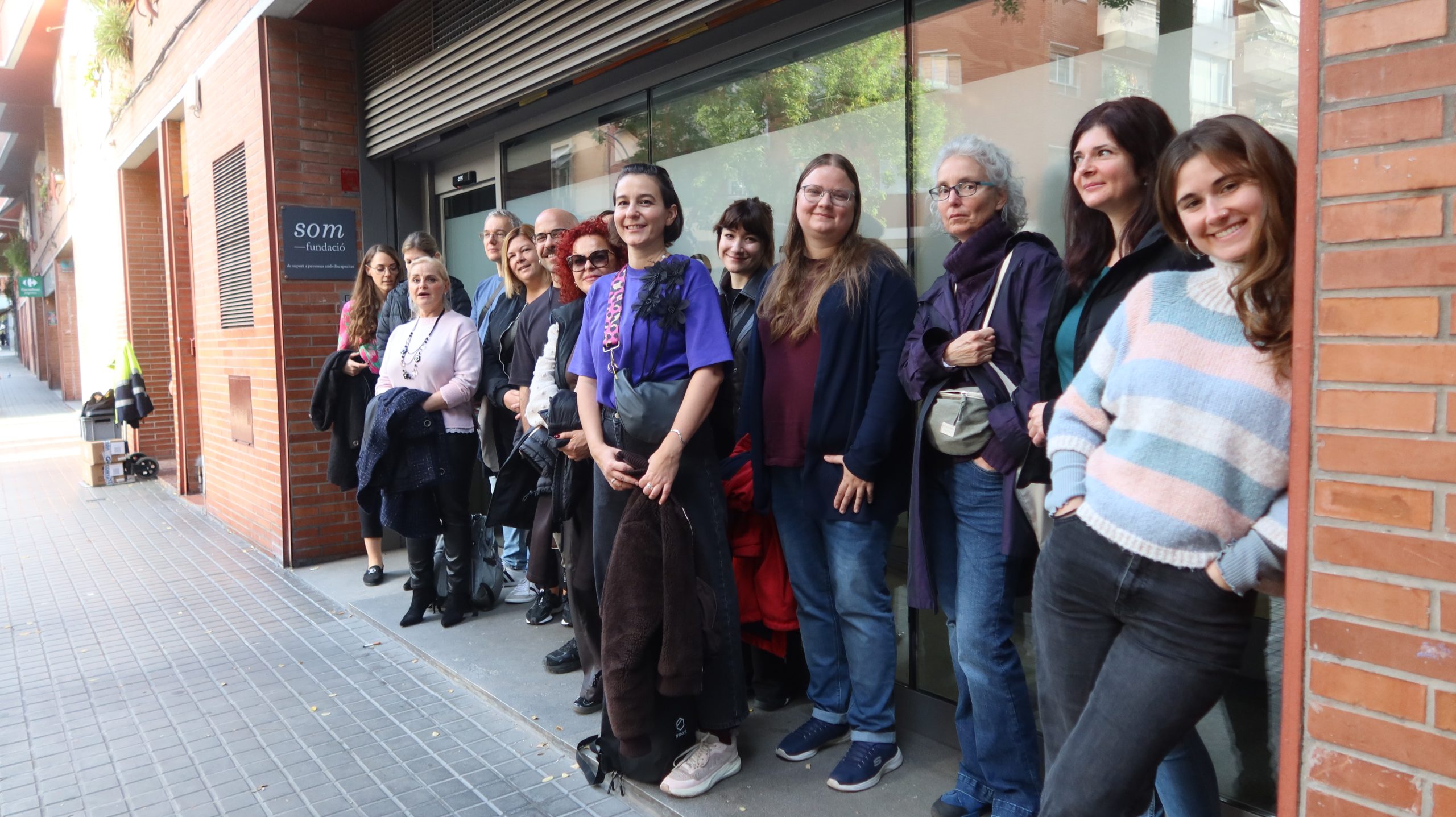
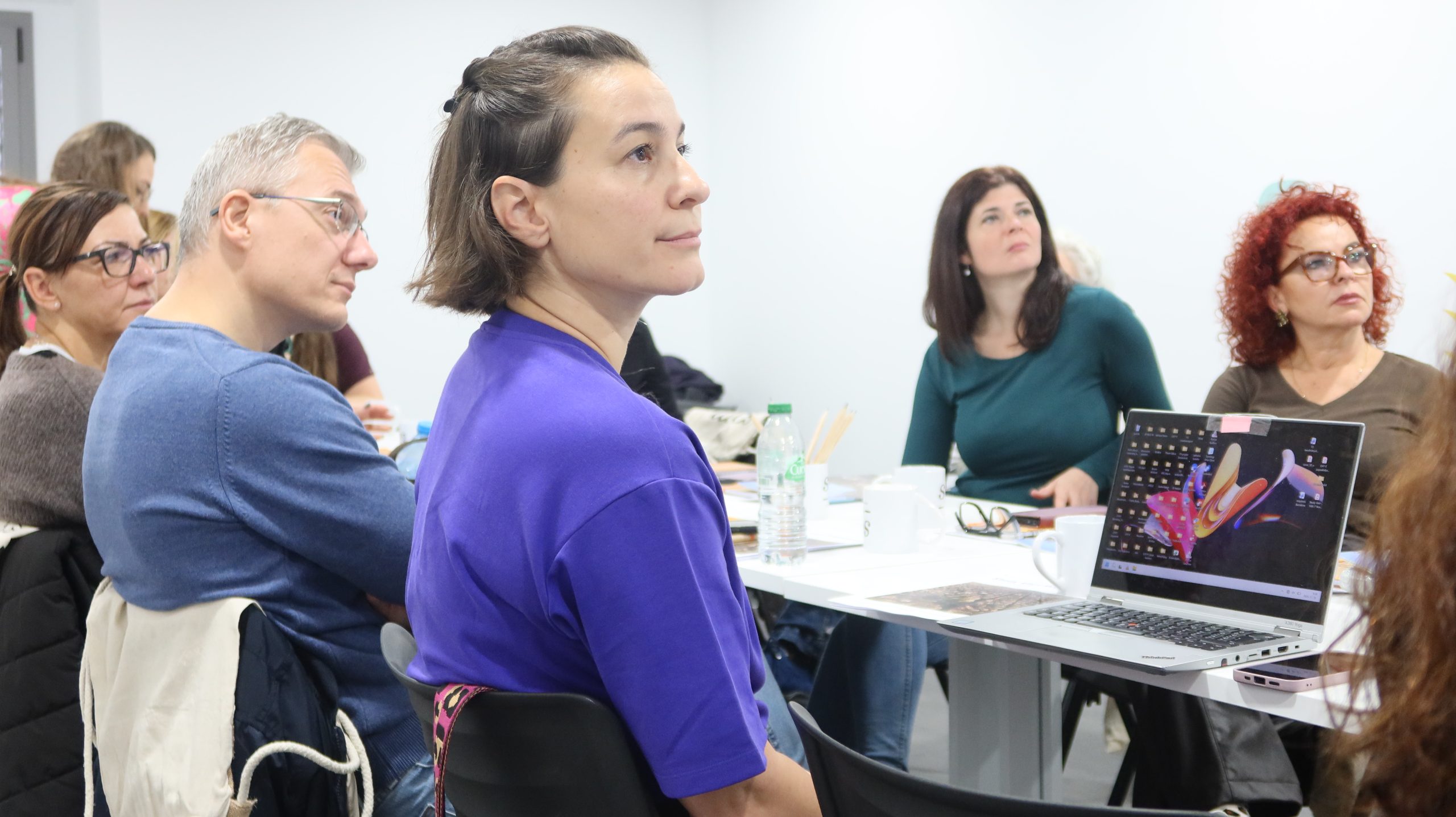
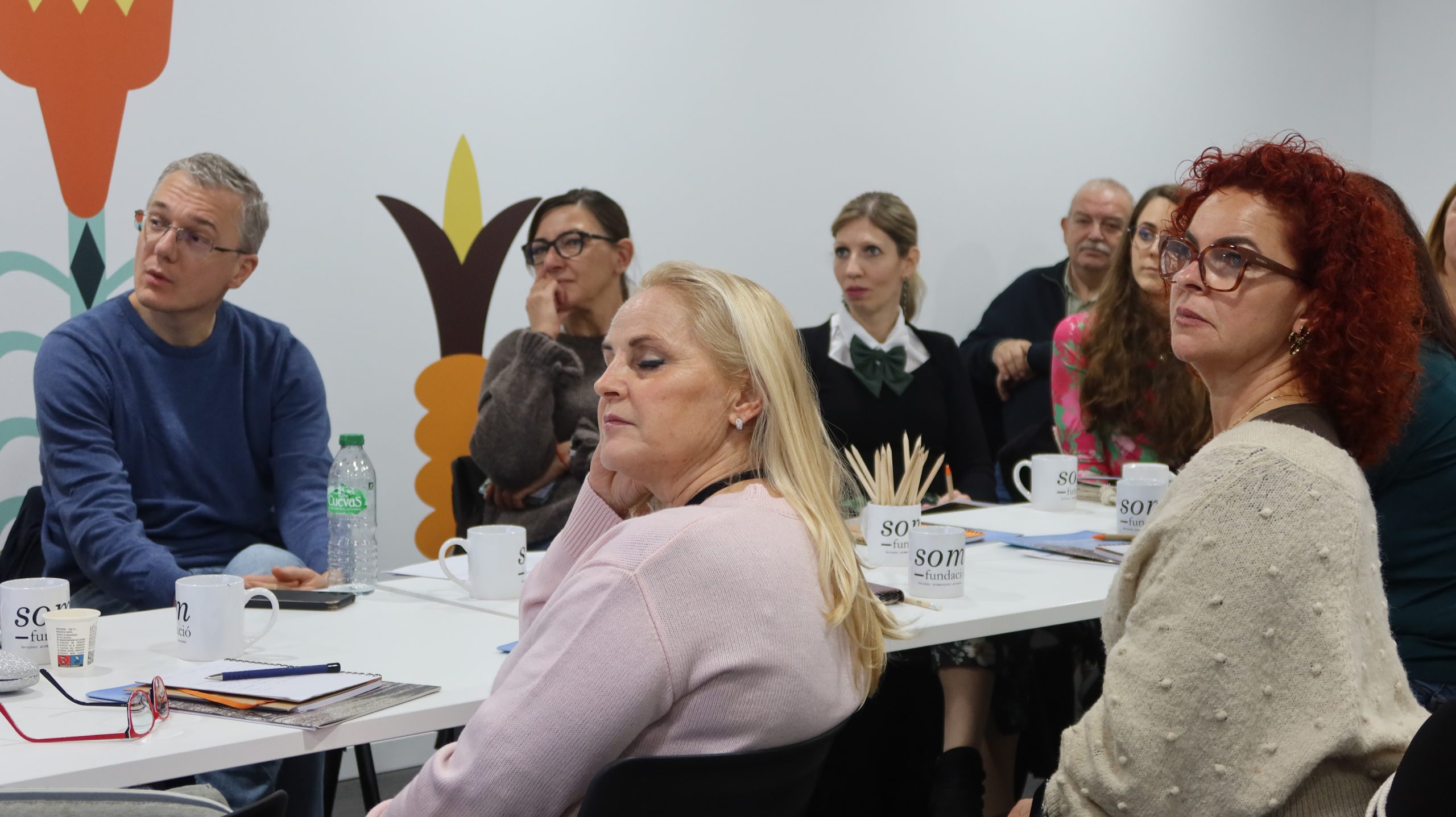
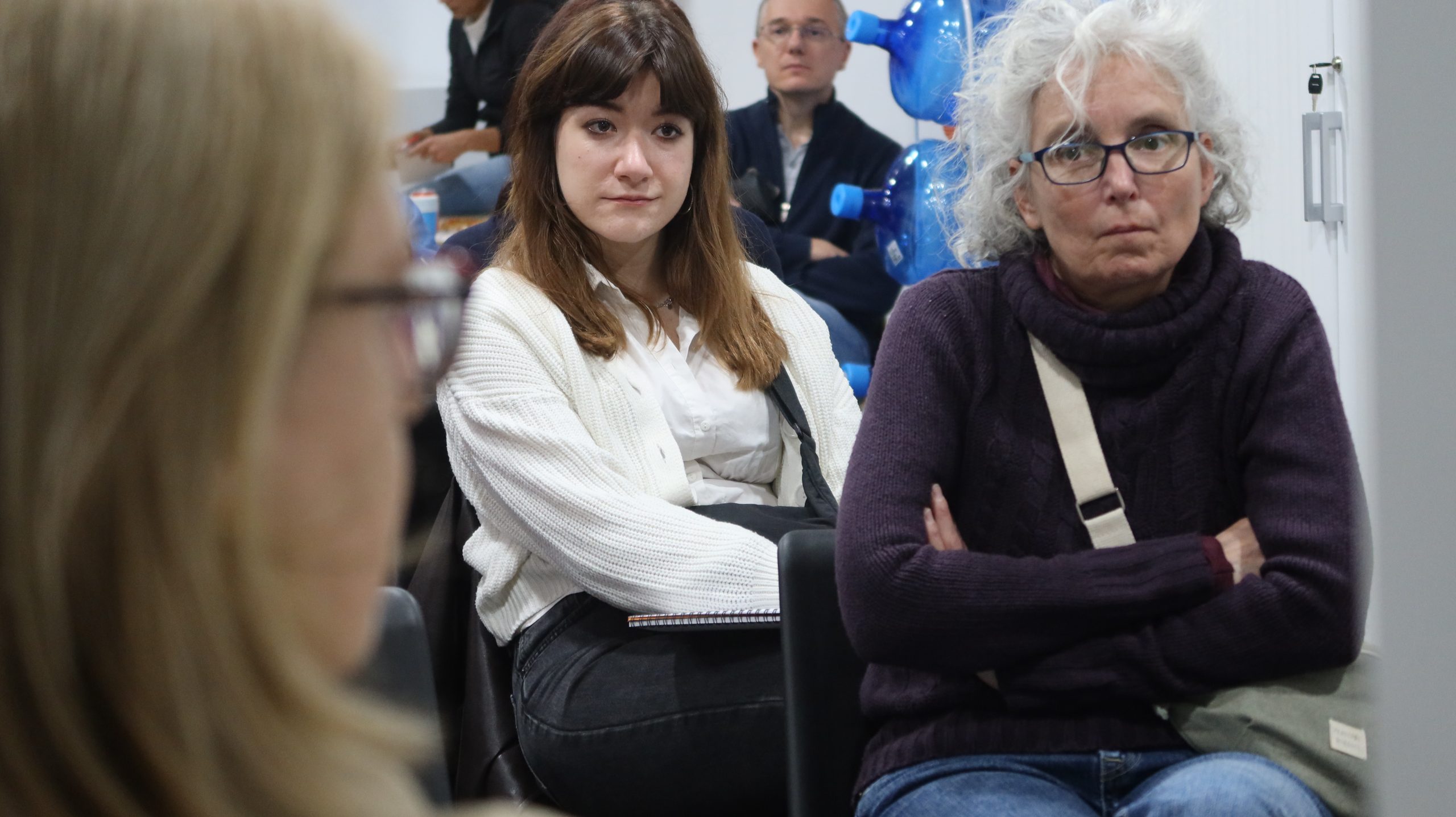
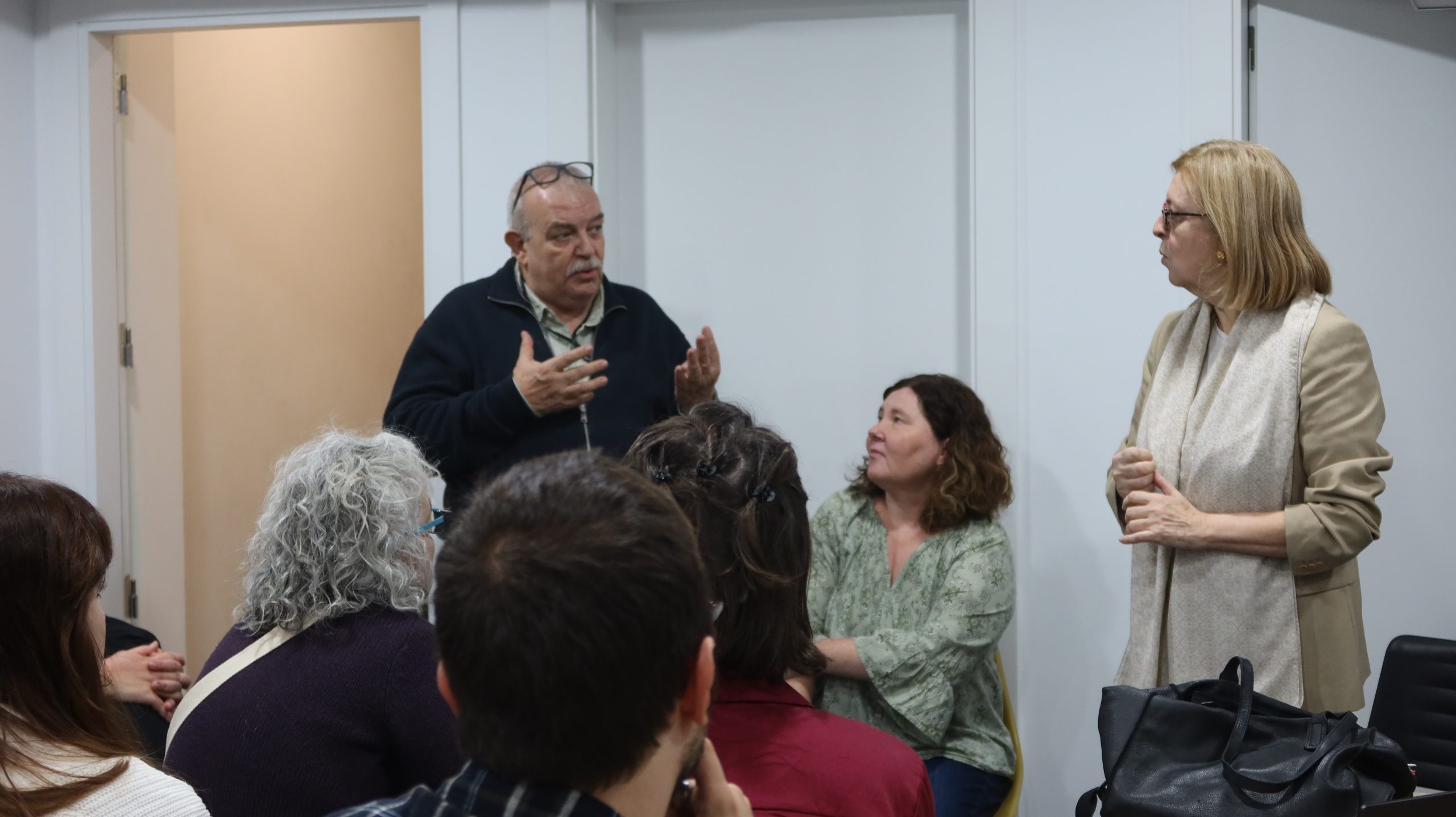
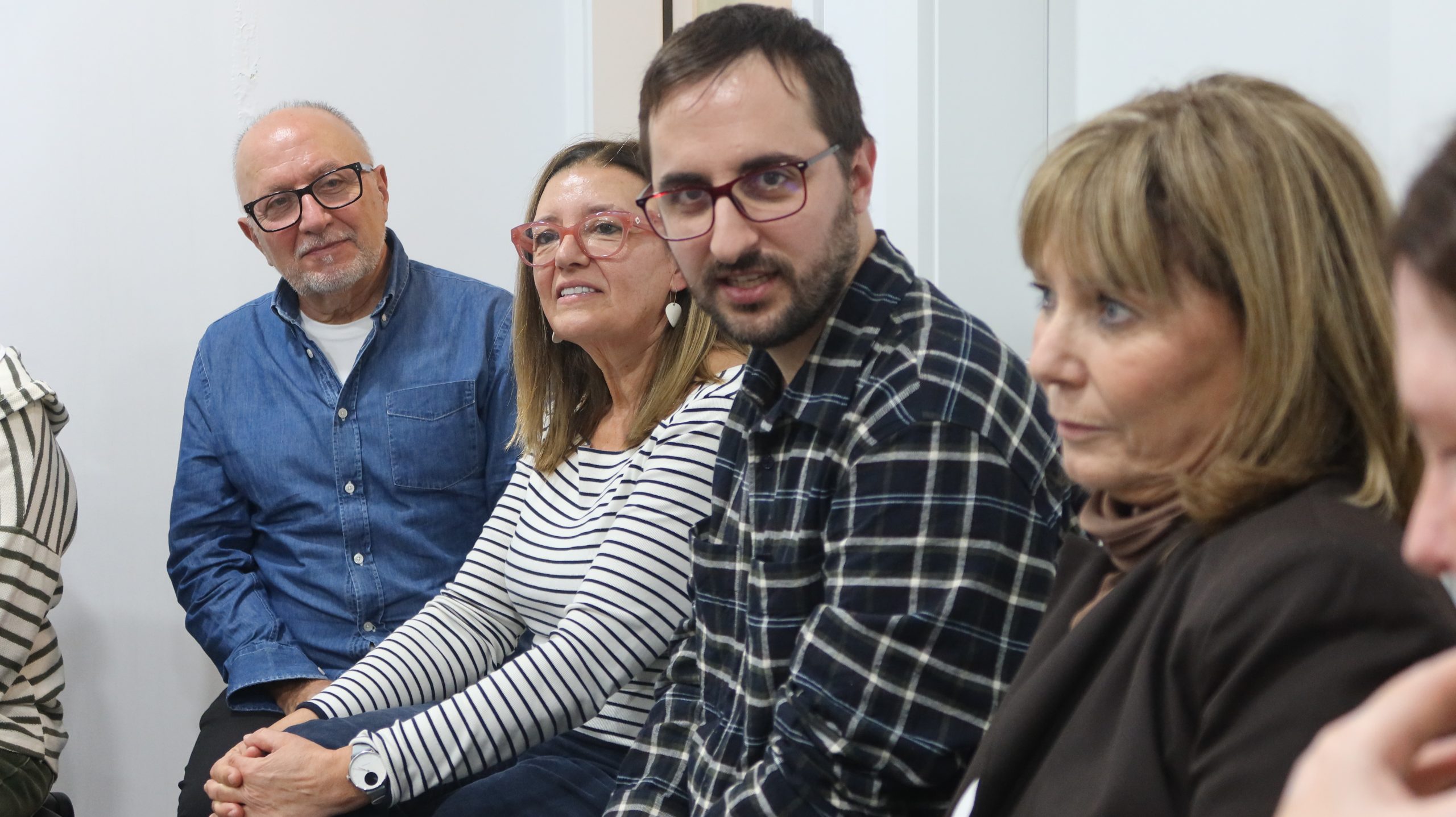
A delegation of 12 professionals from Hungary visited Barcelona this week to gain first-hand insight into how supported decision-making works in practice in Catalonia. Most of the participants work within the judicial system or in public bodies responsible for support measures. The study visit, organised by Som – Fundació at the request of the Hungarian federation ÉFOÉSZ, took place at a time of political change and growing debate about the future of support policies in Hungary.
The delegation’s interest is particularly significant. Hungary was among the first countries to ratify the United Nations Convention on the Rights of Persons with Disabilities (UNCRPD) and has been working for years to promote models that uphold self-determination and the full exercise of rights. However, putting supported decision-making into practice continues to raise legal and organisational challenges. This was one of the main reasons behind the visit.
What were the Hungarian professionals hoping to learn?
Rather than focusing on theoretical aspects, the participants were keen to explore practical questions: how does supported decision-making work in people’s everyday lives?
Among the issues that generated the greatest interest were the recognition and exercise of legal capacity by persons with disabilities, as well as the safeguards needed to ensure that each person’s will and preferences remain at the heart of any support arrangement.
The importance of collaboration across sectors
The delegation was also particularly interested in how the justice system and third-sector organisations work together.
Participants wanted to understand how this cooperation can facilitate the transition towards a rights-based approach and make it possible to provide personalised support that respects each person’s wishes, preferences and life choices.
Del juzgado a la vida cotidiana
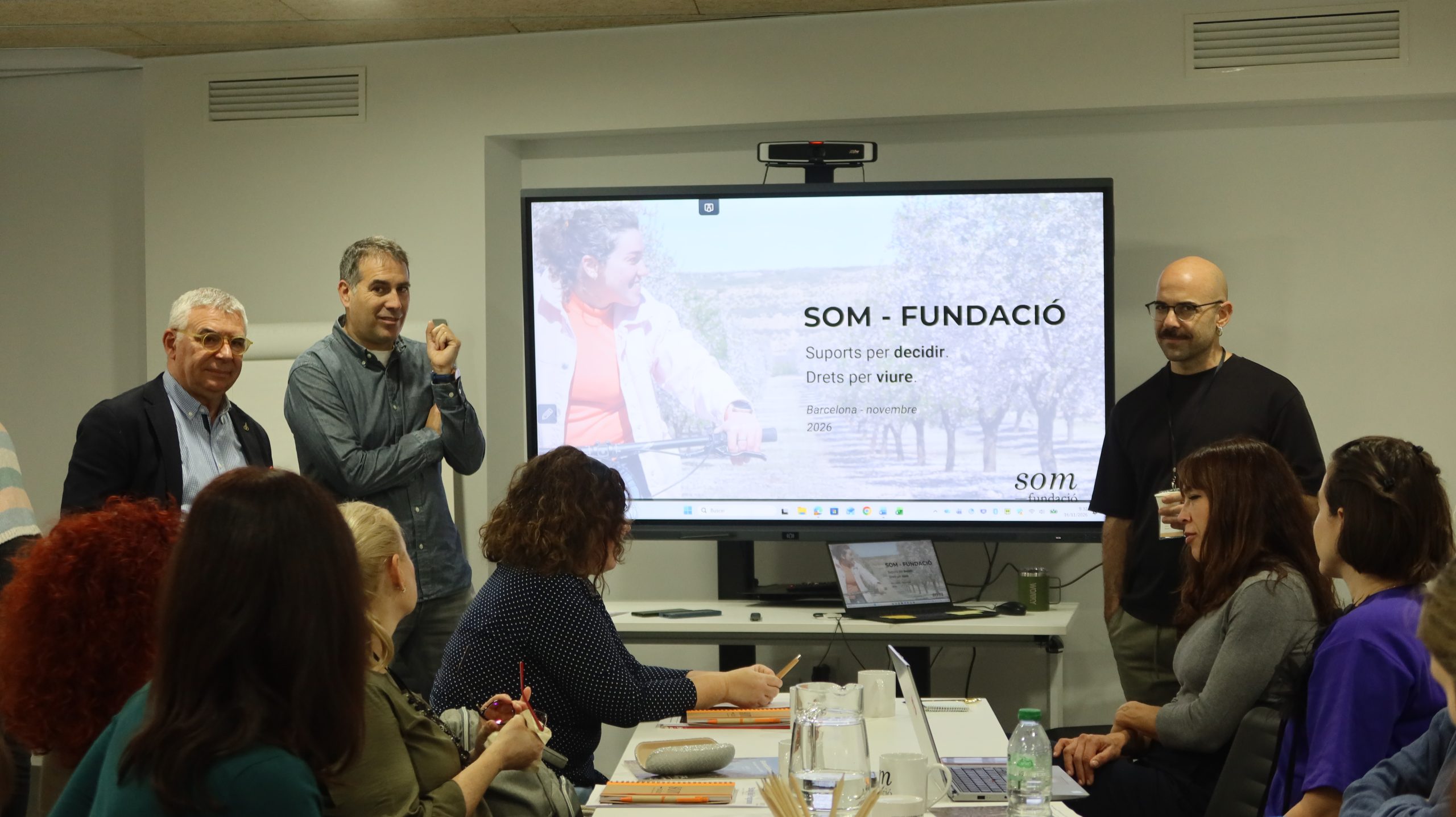
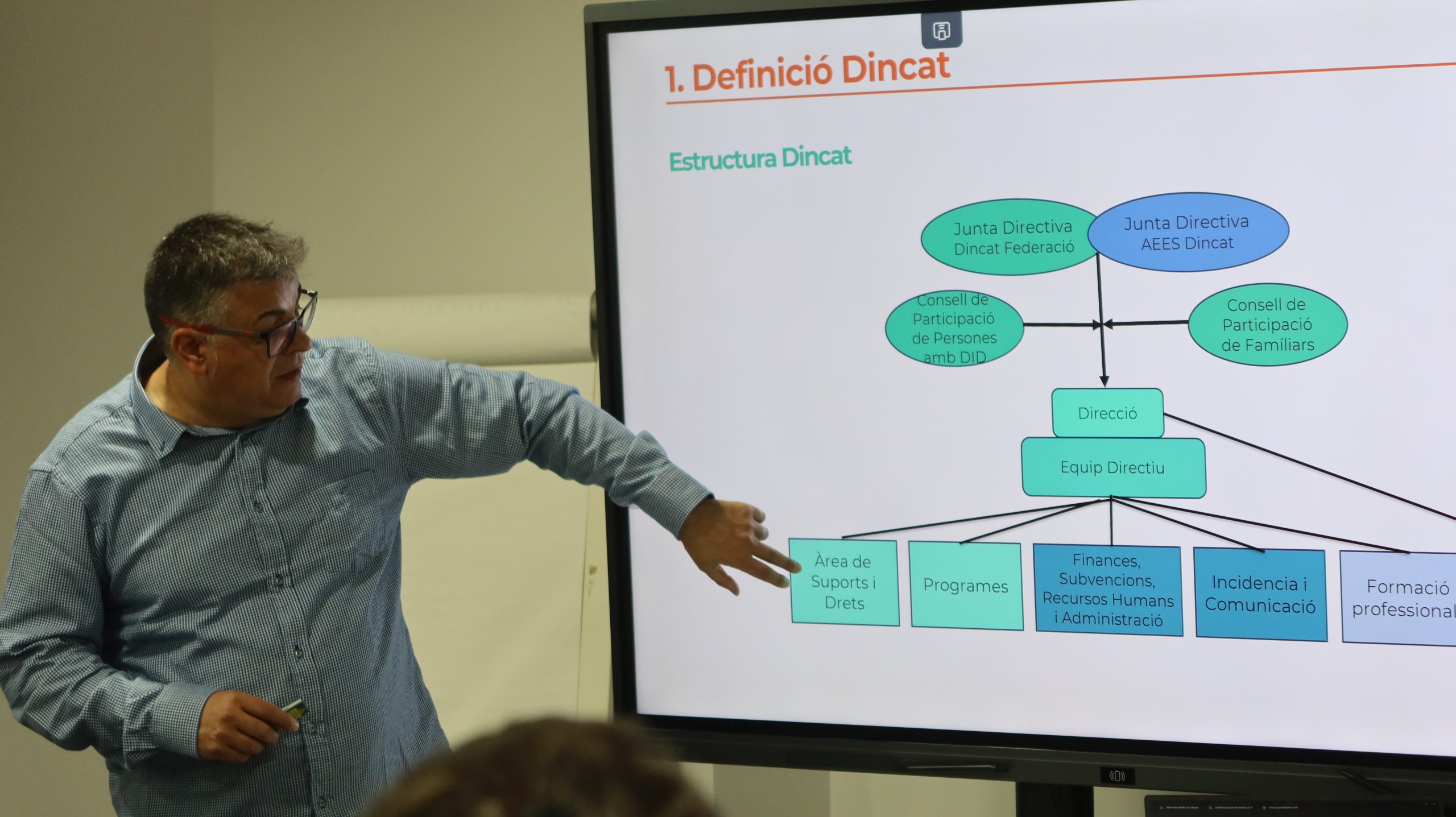
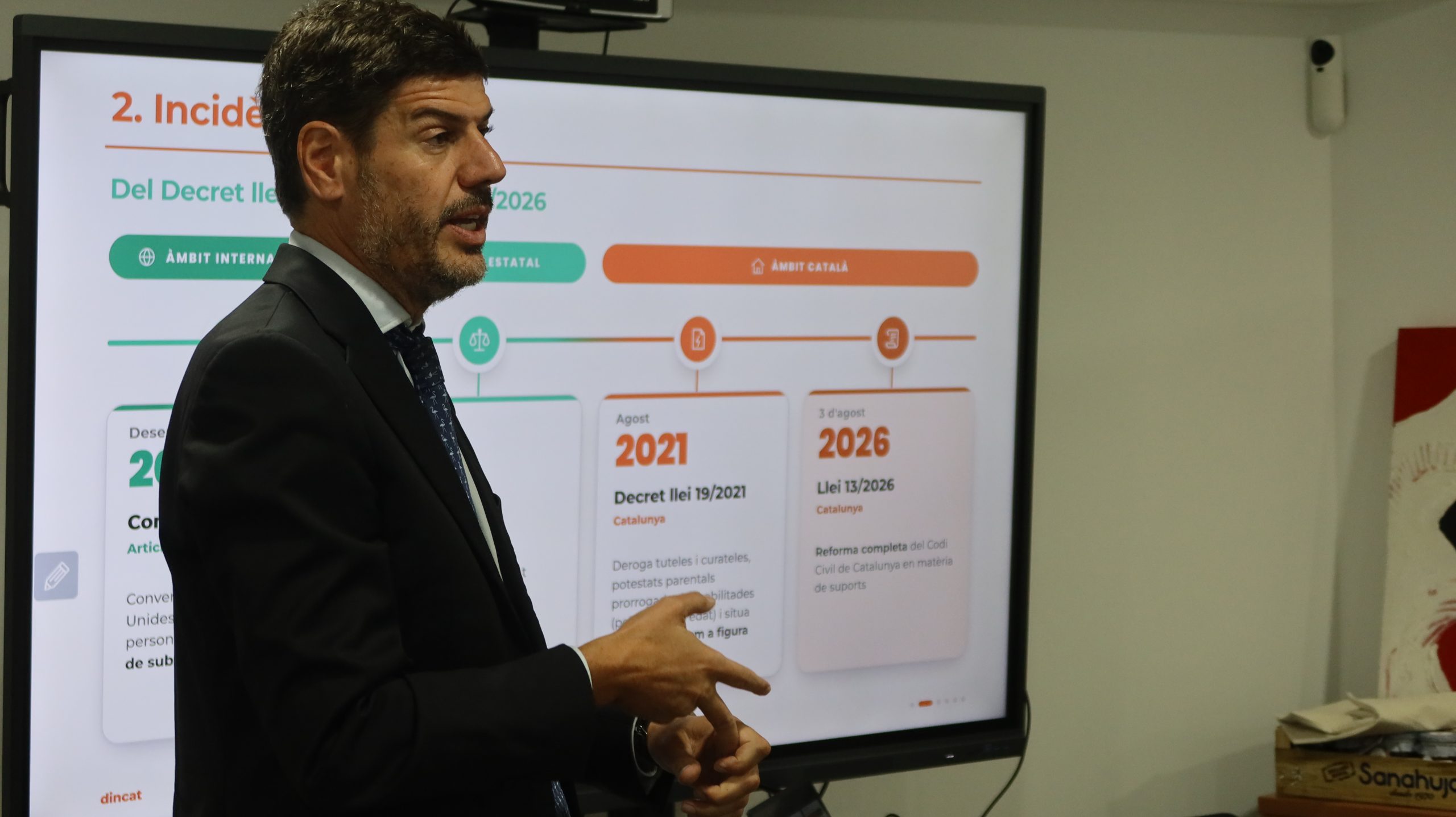
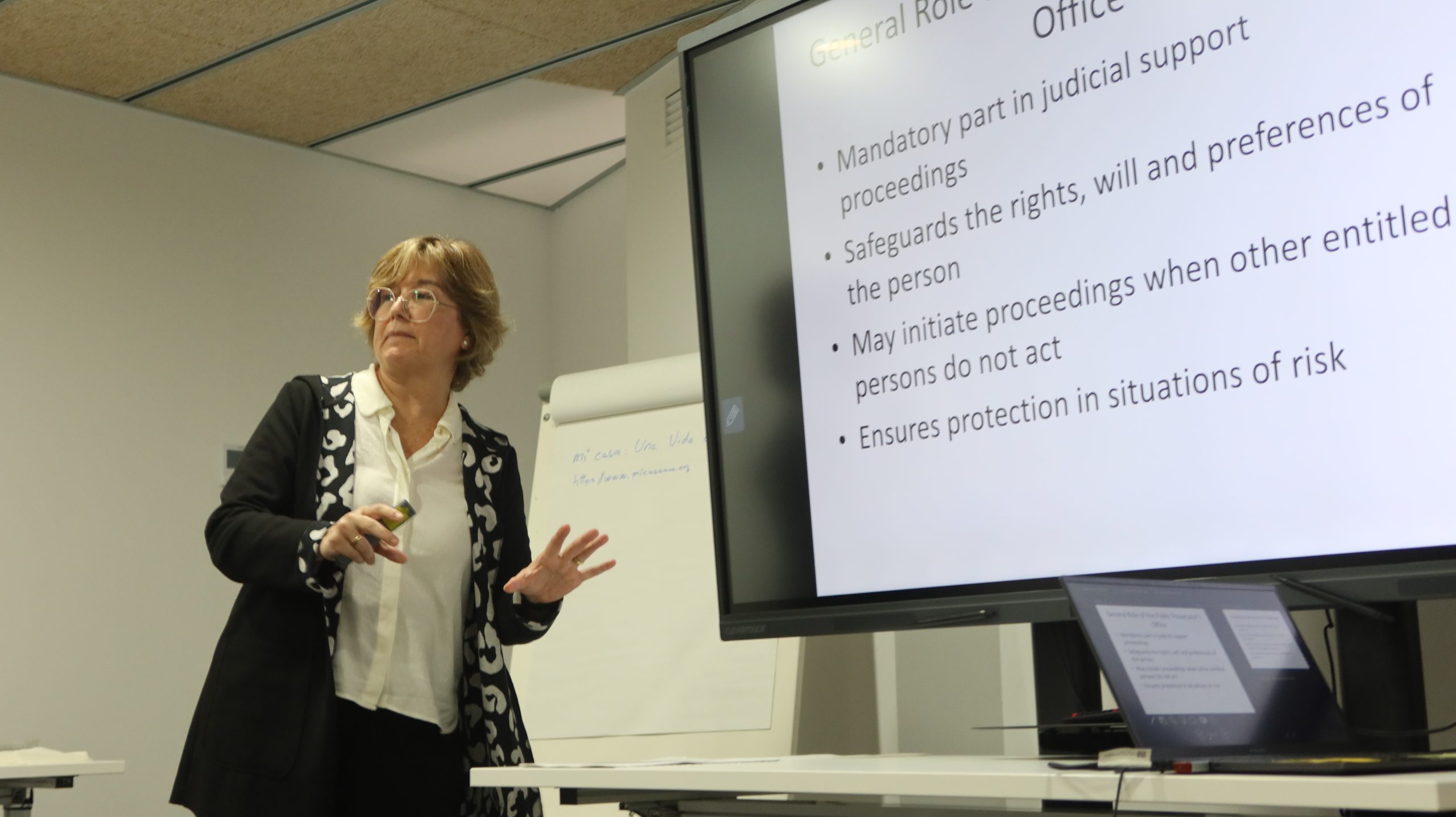
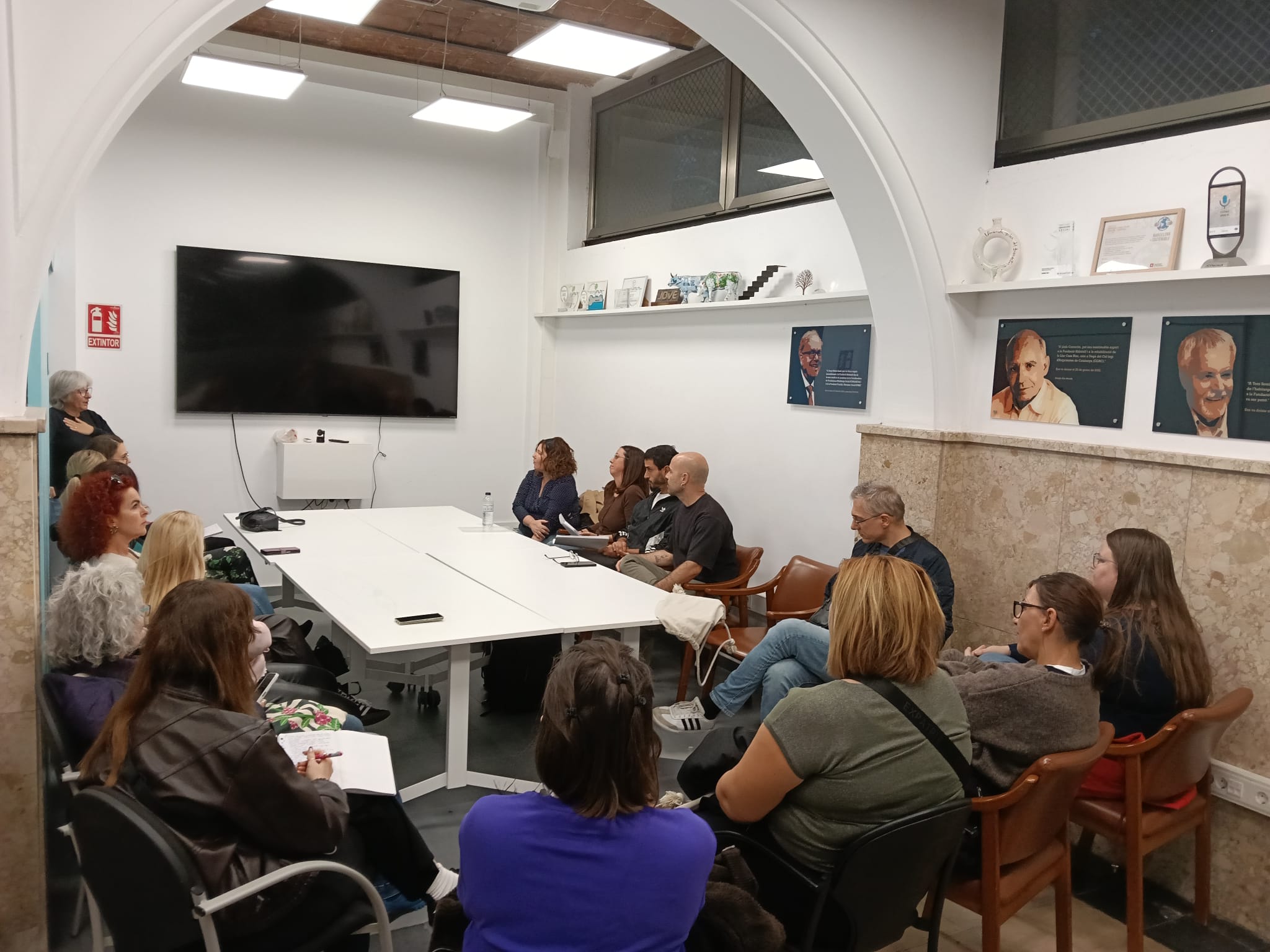
Over two days, the delegation took part in presentations and knowledge-sharing sessions organised by Som – Fundació. The programme brought together professionals from different fields, including professionals from Dincat, Valero Soler Martín-Javato, notary and representative of Fundación Aequitas and Remei Soriano, Chief Prosecutor of Catalonia. In the afternoon, the delegation had the opportunity to learn first-hand about independent living projects at Casa Bloc, with Natalia Martínez from Hàbitat 3 and Laura Tolrà, from Fundació Astres.
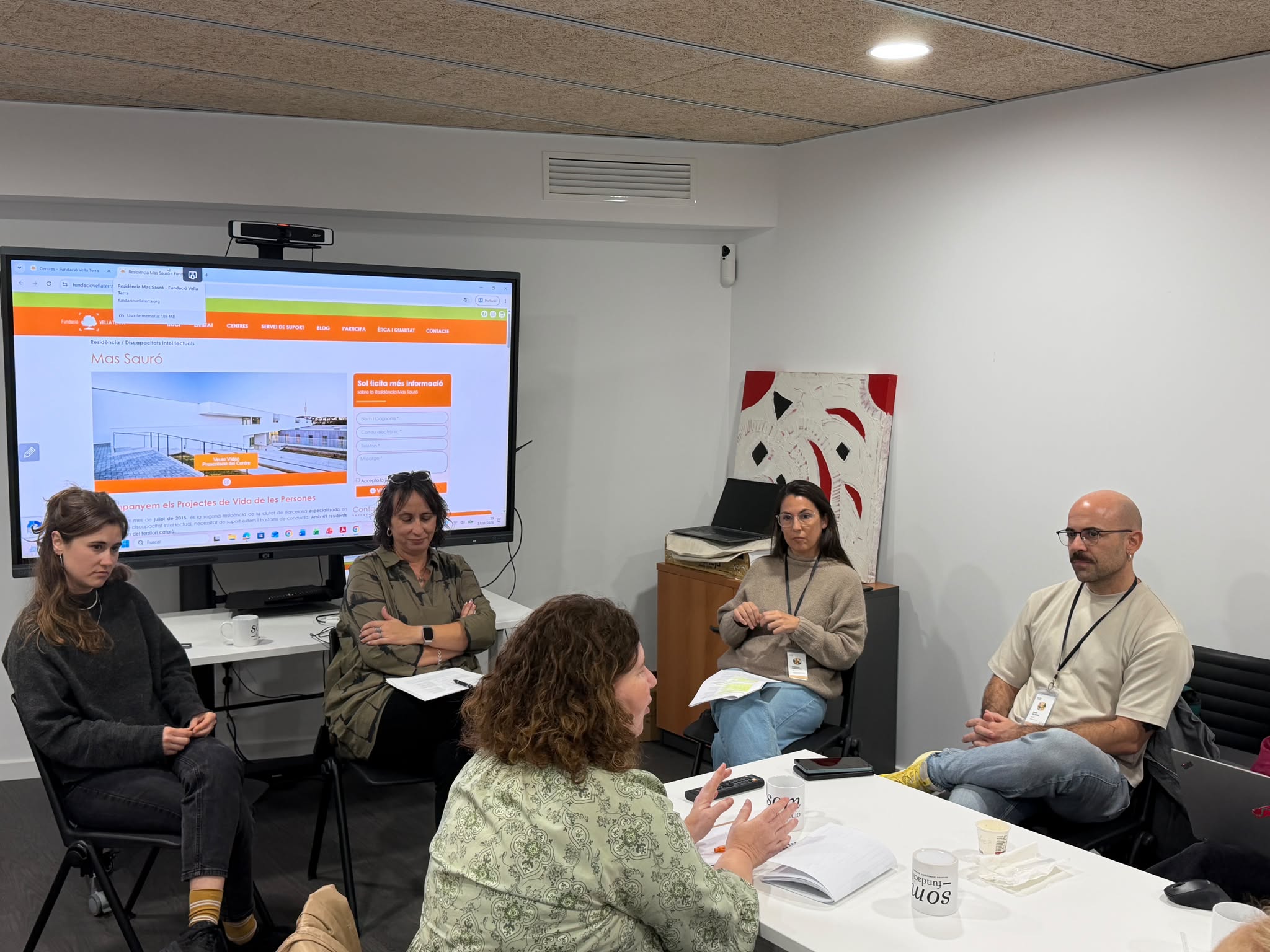
On the second day, they learned about the work of Asociación Liber through Daniel Romero, the organisation’s legal adviser. The programme also included contributions from Marta Rallo Ayezcuren, Judge at the Courts of First Instance of Barcelona; Núria Figueras, Director of the Mas Sauró residence at Fundació Vella Terra; and, representing Som – Fundació, Raúl Olivera and Carla Colás
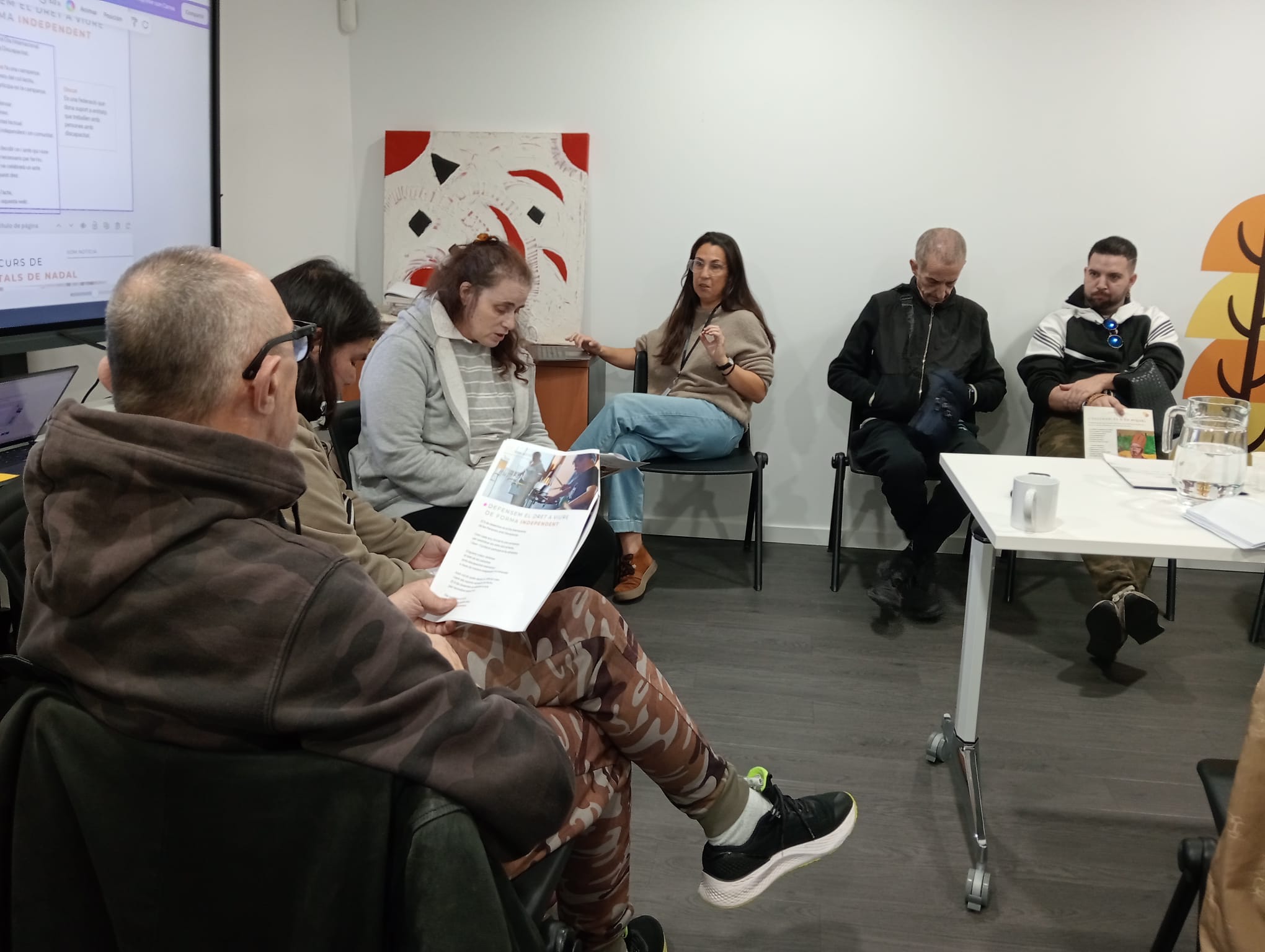
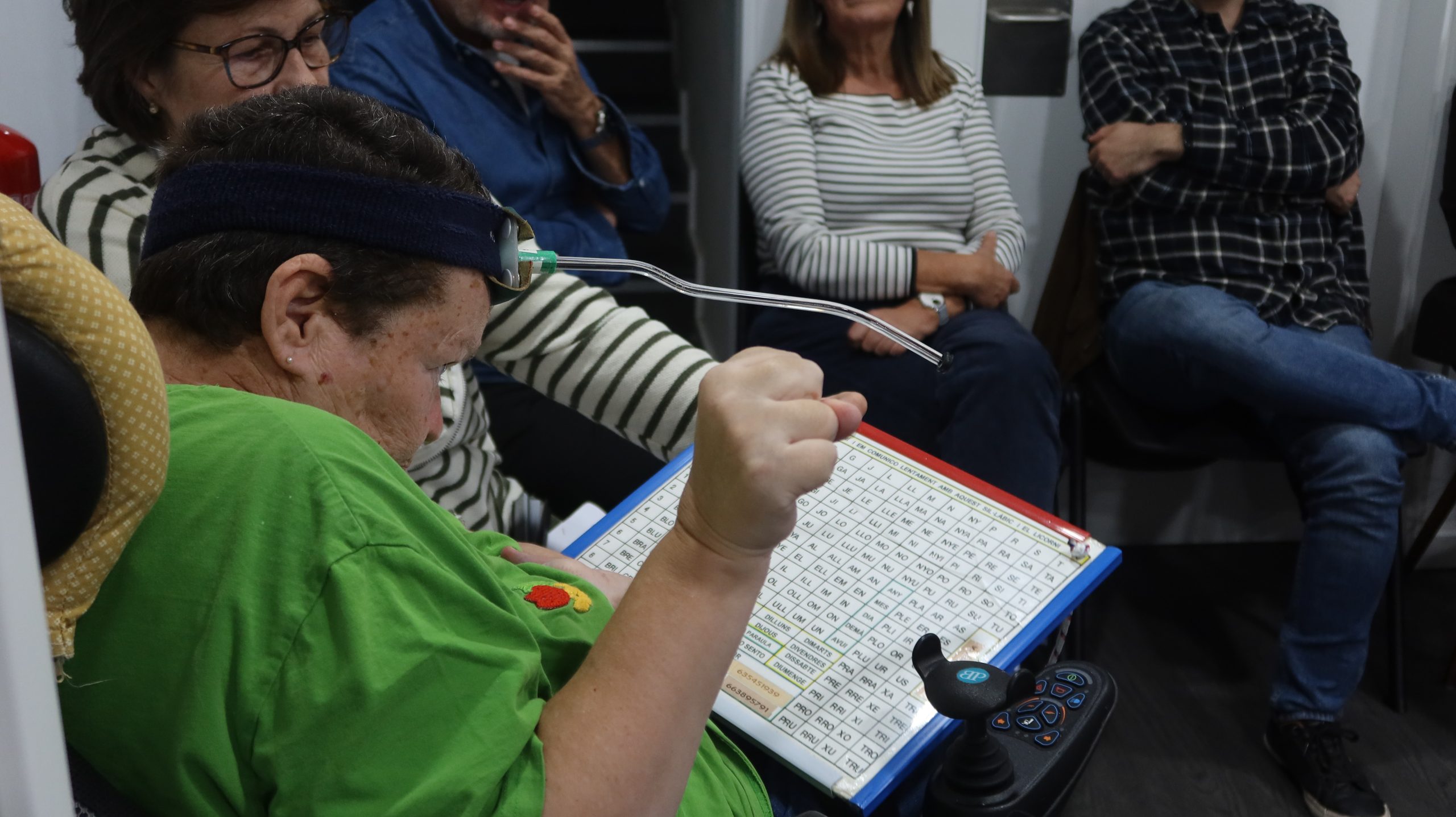
One of the most valuable moments of the visit was the opportunity to meet people with intellectual disabilities who receive support from Som – Fundació, as well as families involved in the Som Futur programme.
These conversations offered first-hand insight into how supported decision-making shapes everyday life, from choices about housing, healthcare and financial matters to personal relationships and participation in community life.
La segunda study visit internacional
Esta es la segunda visita de estudio internacional organizada por Som – Fundació. El año pasado, the organisation welcomed a European delegation as part of the Lighthouse project of Disability Support Europe.
The visit reflects growing international interest in practical approaches that translate the principles of the UN Convention into tangible changes in people’s lives.
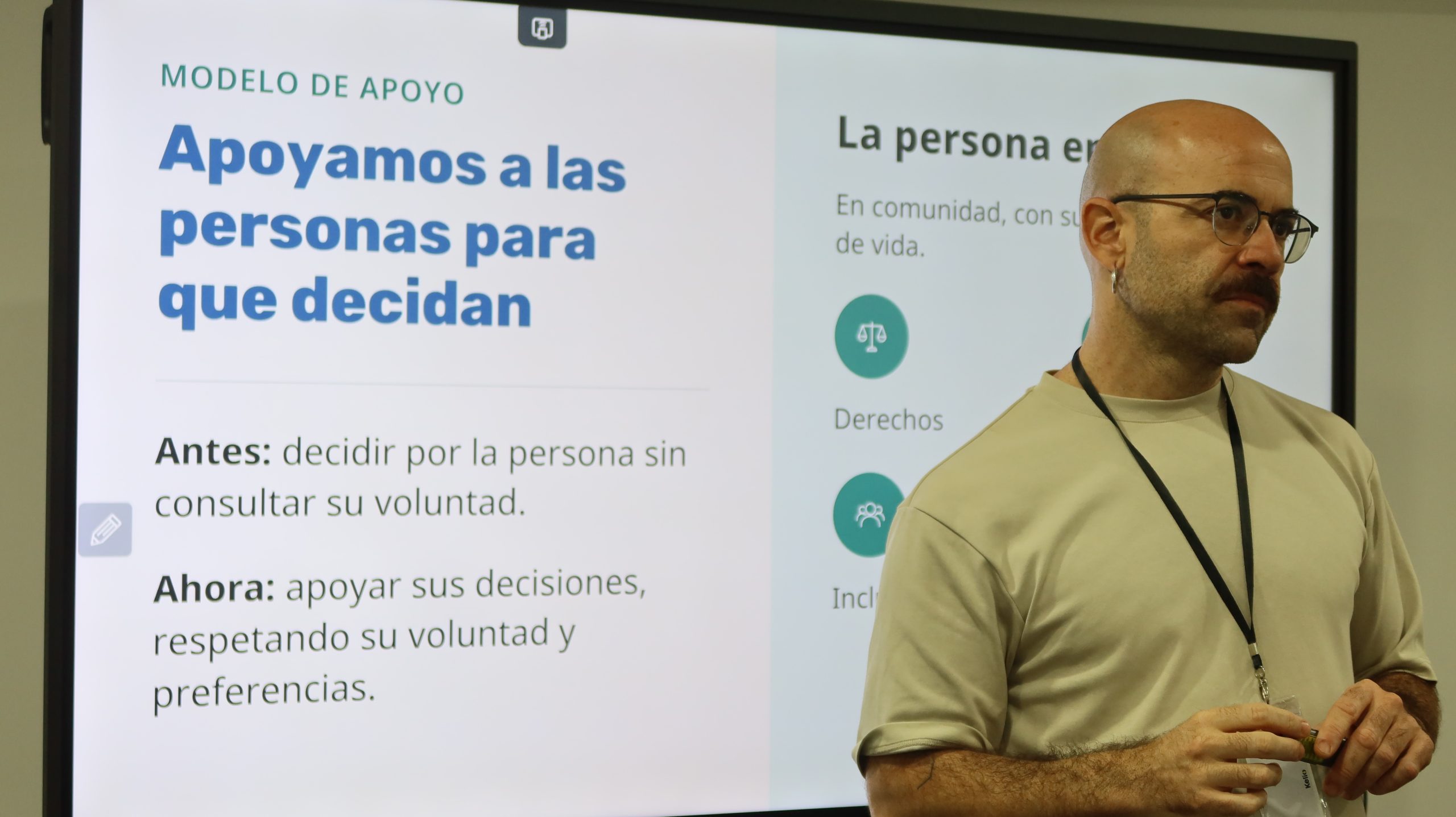
Ultimately, it highlights a fundamental shift: moving away from making decisions on behalf of people and towards ensuring they have the support they need to make their own decisions and shape their own lives.